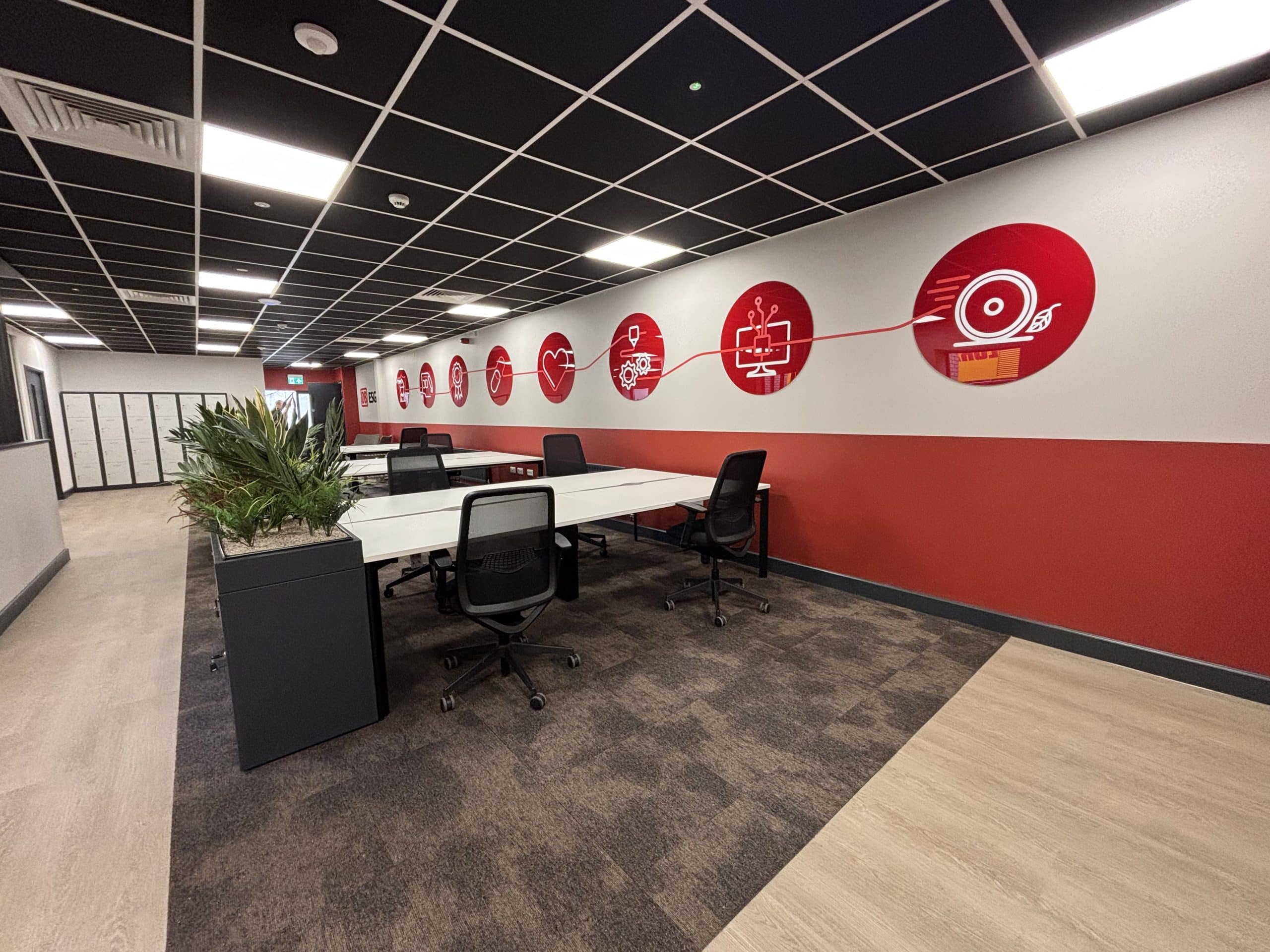

If your workspace is no longer supporting growth, productivity or the way your team works, the first decision is not what the office should look like. It is whether an office refurbishment or fit out is the right route and what the business needs the project to achieve.
The most successful workplace projects begin by understanding the people who use the environment every day.
Before thinking about layouts, finishes or furniture, it’s important to ask how employees experience the space and whether it supports the way they work.
Consider questions such as:
When workplace design is shaped around people’s needs, the result is more than an attractive office. It becomes a space that supports productivity, wellbeing, collaboration and a positive day-to-day experience.
This is where early consultation creates better decision-making before budgets are committed.
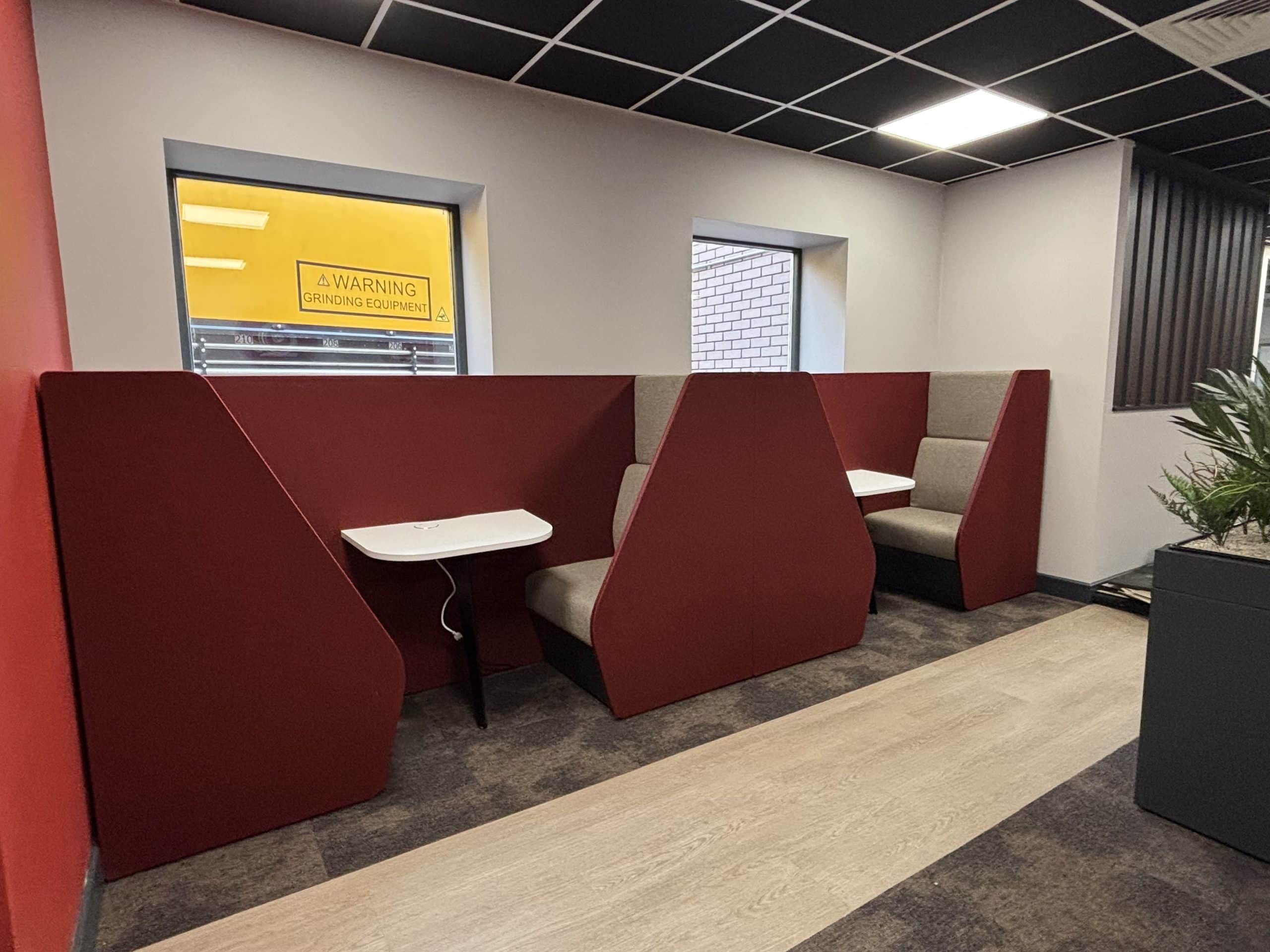
Not every workspace challenge requires the same solution.
An office refurbishment makes sense when the existing environment has solid foundations but no longer supports how the business operates. A broader office fit out may be the better route when the project requires more significant structural or spatial change.
The wrong assumption businesses make is choosing based on appearance alone. The right decision comes from understanding what operational change is actually needed.
Before planning a project, the current environment needs an honest evaluation.
Signs of operational friction include:
A considered approach to office design starts with understanding where the workspace is creating inefficiency.

A successful project depends on realistic expectations.
Budget decisions should reflect business priorities, not assumptions. Disruption needs to be planned around operational continuity. Internal stakeholders need clear expectations around timescales, decision-making and project scope.
The most difficult projects are not necessarily the largest. They are the ones where assumptions replace planning.
Businesses that think through disruption, investment and practical delivery early make stronger decisions later.
A workplace project should solve current issues without creating future limitations.
Growth plans, evolving technology, team structure and changing work patterns all need consideration before the project begins. A space designed only for today quickly becomes restrictive.
Long-term value comes from creating an environment that remains adaptable as the business evolves.
The strongest workplace projects are shaped before delivery begins.
Structured workplace analysis creates clearer decision-making, reduces project risk and helps align business objectives with practical delivery.
That is where consultancy adds value. It helps businesses move forward with clarity rather than assumptions, ensuring the final project supports performance, employee experience and long-term business goals.
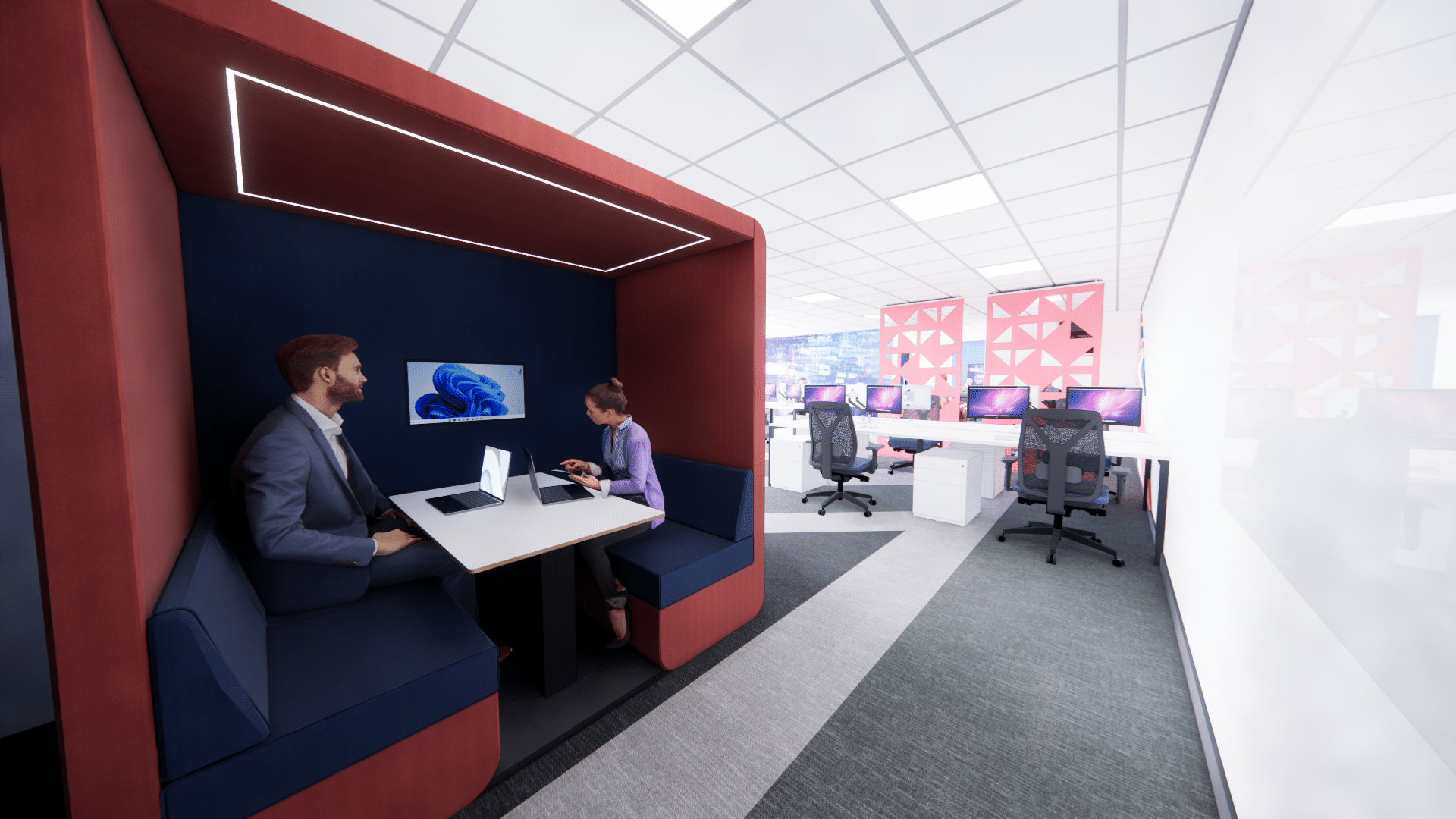
An office refurbishment or fit out should be a strategic business decision, not a reactive workspace update.
When the right questions are asked early, businesses avoid costly assumptions and create stronger long-term outcomes.
If you are reviewing your workspace and need practical guidance on the right next step, get in touch to start the conversation.